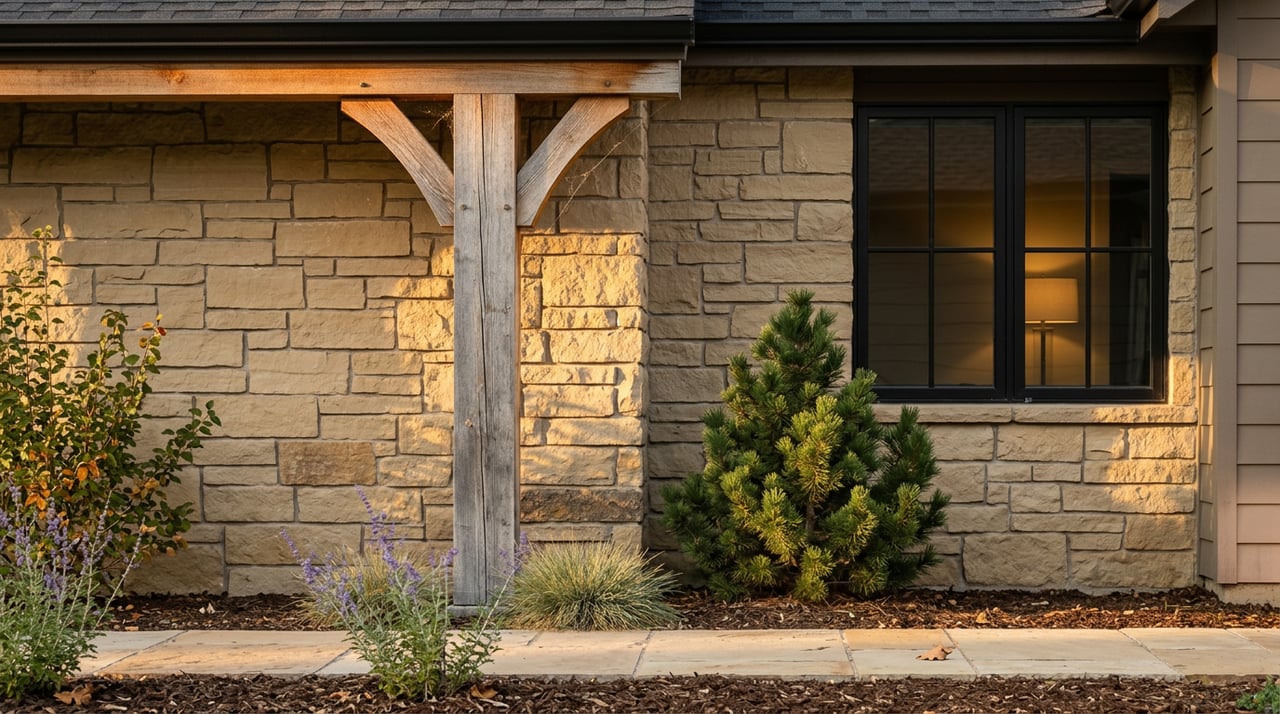
What Lone Tree's Median Price Isn't Telling You
A buyer comparing Lone Tree to Highlands Ranch or Castle Pines almost always starts with the same number. Depending on which portal loaded first, that number is somewhere between $799,000 and $895,000, and it is down somewhere between three and ten percent year over year. Every source agrees the direction is negative. None of them agree on the size.
That disagreement is the story. Lone Tree is not one market right now. It is two, separated by six lanes of Interstate 25, and the median price is a weighted average of both. Reading it as a single signal is how buyers overpay on one side of the freeway and undershoot on the other.
Look at the June 2026 numbers as a single scoreboard and they do not agree with themselves. Months of supply sat at roughly 1.26 and the sale-to-list ratio came in near 97.9%, which are seller-market readings. In the same window, roughly 41% of active listings had taken a price cut, which is not. Aggregate medians drifted down while individual sub-$1.5M homes in established neighborhoods were still receiving offers inside three weeks.
Two behaviors do not co-exist in one market. They co-exist across two.
The cleanest way to read Lone Tree in 2026 is by geography.
| West of I-25 | East of I-25 | |
|---|---|---|
| Character | Nearly built out | Early-stage delivery |
| Representative submarkets | Heritage Hills, Montecito, Carriage Club, The Retreat, Lincoln Station | Lyric at RidgeGate, Central Village Couplet, Lone Tree City Center |
| Typical stock | 1980s–2010s custom and semi-custom, gated luxury, some 2000s townhomes near light rail | 2024–2027 new construction, market-rate luxury rentals, senior housing, mixed-use in planning |
| Behavior | Low inventory, quick sales under $1.5M, longer marketing at the top of the luxury tier | Rolling deliveries, builder incentives, active price discovery |
| What drags the median | Not much | Standing new-construction inventory pricing against last year's comps |
The west side is where the aggregate scarcity numbers come from. The east side is where most of the negative pressure on the median comes from. Averaging them is arithmetically correct and analytically misleading.
The west half of RidgeGate, at 1,500 of the development's 3,500 acres, is close to fully developed, with only a handful of vacant sites left and roughly 250 acres on the Bluffs still zoned for rural residential. That's per the City of Lone Tree's own planning documents. Add in the older 1990s and 2000s stock north of Lincoln Avenue, plus the gated custom-home enclaves, and the west side behaves the way any land-constrained submarket does. A well-priced four-bedroom in Heritage Hills or Carriage Club does not sit.
What sellers on the west side actually contend with is a narrower price band than the marketing suggests. Homes below roughly $1.5M turn over quickly. Homes above that threshold, particularly custom estates competing with new luxury inventory east of the freeway, sit longer and are the ones showing up in the price-reduction column. The median compression is real at the top; it is much less real in the middle.
The east side is a different animal entirely, because for most of the last decade there was nothing to sell. Shea Homes' Lyric at RidgeGate covers 700 acres and is planned for roughly 1,900 homes, of which just over 100 had been completed by mid-2025 with hundreds more move-ins queued through 2026 and 2027. Shea has brought in Infinity, Lokal, and Thrive Home Builders to widen the product mix.
Around Lyric, the pipeline is dense enough to move the whole submarket at once:
Axios Douglas County reported in May that after years of infrastructure work, the east side is finally past the point where roads and utilities were the bottleneck. The Denver Gazette followed in June with a longer read framing the shift as the center of the city physically relocating east of the freeway over the next 25 years.
For a buyer, the practical translation is that new inventory east of I-25 is being introduced against comparables set when Lone Tree's median was materially higher. That produces builder incentives, standing inventory, and price adjustments that show up in the aggregate data as weakness. It is not weakness. It is a delivery schedule.
A million dollars buys a very different property depending on which side of I-25 the address falls on, and the two products are not close substitutes.
West of I-25 at that budget, you are typically buying a resale on a mature lot, in an established HOA, with schools and commutes that have been priced in for two decades. The trade-off is that the pool of homes shrinks quickly above $1.5M and the best of them still draw multiple offers.
East of I-25 at the same budget, you are usually buying new construction or near-new, on a smaller lot, with amenities that are half-built and a light-rail station that already runs 22 hours a day but currently ends in a mostly empty station area. You are also buying optionality. If the King Soopers opens on schedule, the regional park delivers, and the mobility hub does what CDOT designed it to do, the comparable set two years from now looks different than it does today.
A buyer who reads the median as one number will tend to overweight the east-side discount and underweight the west-side scarcity. Both mistakes cost real money at closing.
Two specific pieces of friction come up repeatedly in Lone Tree transactions right now, and neither is visible in the portal data.
The first is builder concessions. On the east side, builders finishing homes into a softer aggregate market are frequently structuring rate buydowns or design-center credits rather than cutting sticker price. A resale seller three streets away, looking at those same list prices as comps, may be underpricing their finished, landscaped, upgraded home by tens of thousands of dollars if they read the builder list as a true comparable.
The second is timing risk on inspection and appraisal. Homes near active construction can appraise conservatively while a neighboring lot is still framed. On the west side, the friction is different. Custom homes over $1.5M draw a shallower buyer pool, and pricing them off the neighborhood peak from twelve to eighteen months ago tends to produce a slow, cumulative erosion in perceived value. Pricing to current absorption, not to memory, is the more disciplined move.
Both problems reward disciplined preparation. Neither is solved by looking at one more Zestimate.
Is Lone Tree a buyer's market or a seller's market in 2026? Neither label fits cleanly. West-side homes under roughly $1.5M continue to trade quickly with sale-to-list ratios in the high 90s. East-side new construction and luxury custom homes over $1.5M are in genuine price discovery, with builder incentives and reductions common. The right answer depends on the address, not the ZIP code.
Should I wait for RidgeGate East to finish before buying there? Waiting captures certainty and gives up optionality. Buying into an early-delivery submarket means accepting construction inconvenience and appraisal variability in exchange for entering before the anchor amenities open. The King Soopers Marketplace, Sky Ridge Mobility Hub, and High Note Regional Park are the milestones most likely to reset comparables.
How does Lone Tree compare to Castle Pines or Highlands Ranch on price? Lone Tree's aggregate median in mid-2026 sits below Castle Pines and closer to Highlands Ranch, but the property you actually get for a given budget varies more inside Lone Tree than it does between the three cities. A cross-suburb comparison built on medians alone will mislead you here more than in most Douglas County markets.
The portals are fine for a first pass. They are not fine for a purchase decision in a market that has quietly split in two. If you are weighing an offer in Heritage Hills against a Lyric build against something in Highlands Ranch, the number that matters is not the citywide median. It is what a specific property is likely to be worth against a specific set of comparables in a specific submarket eighteen months from now.
That is the analysis Gibbs Group does for clients before they write an offer, drawing on roughly three decades of banking-side financial analysis and eight years of Douglas County transactions. If you are thinking about Lone Tree seriously, we would rather have that conversation before you tour than after. Let's Connect.
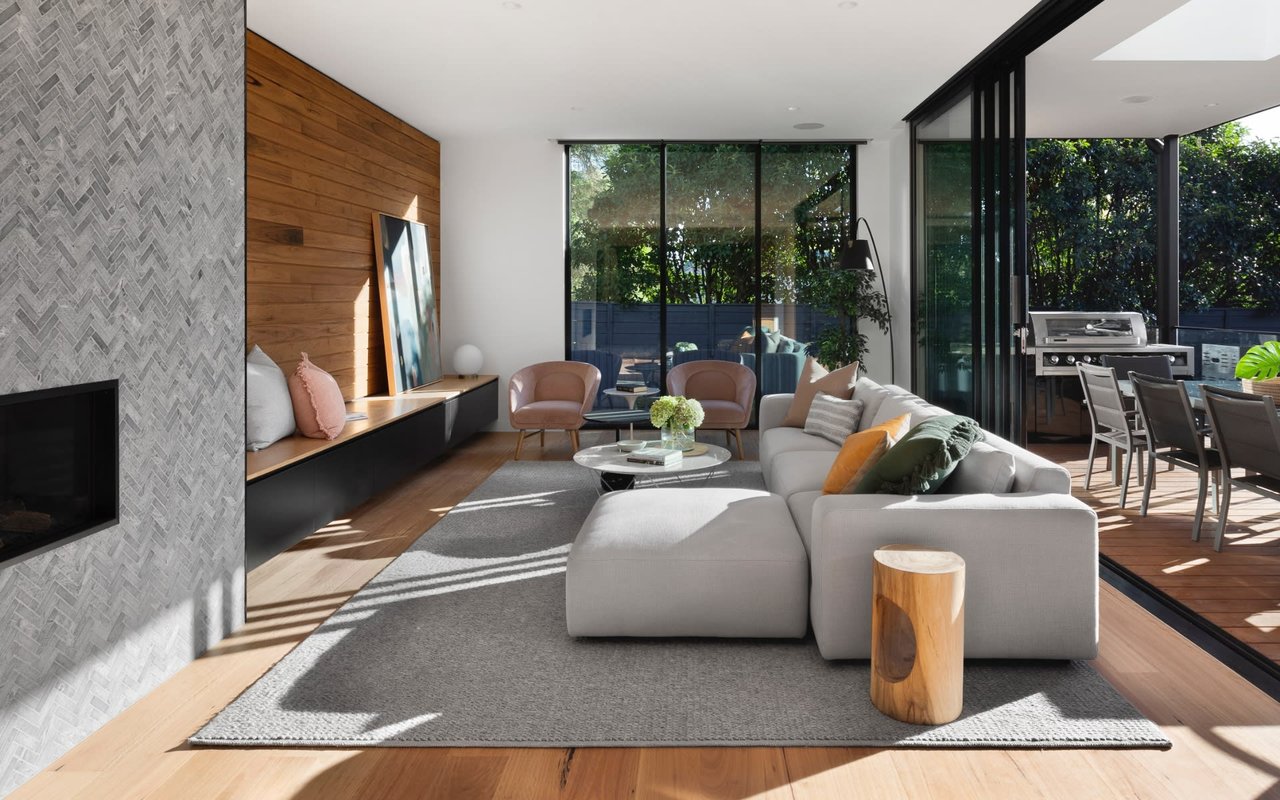
They are building a future where you never have to leave the town limits to work, shop, or play.
But for those watching the market in 2026, the "mature" label can be misleading.
The biggest hurdle to building an ADU has always been the cost of capital.
The "wait time" is exactly why you shouldn't navigate an assumption with a generalist agent.
Here is how we make it happen for our Douglas County community.
Experience personalized service, financial expertise, and trusted guidance for your next move. Partner with Gibbs Group for a seamless buying or selling experience built on trust, expertise, and results.