From Rooftops to Retail: Understanding Castle Rock’s Evolution Into a Self-Sustaining Powerhouse
For decades, Castle Rock was affectionately known as the ultimate "bedroom community"—a scenic, quiet retreat where residents enjoyed the Front Range views before commuting north to Denver or south to the Springs.
But if you’ve driven down Wilcox Street or through the Promenade lately, you’ve seen it: the cranes aren’t just building houses anymore. They are building a future where you never have to leave the town limits to work, shop, or play.
At The Gibbs Group at Engle & Völkers, we track these shifts meticulously. Understanding the "why" behind the construction is the difference between simply buying a house and making a strategic investment in your lifestyle. Today, we’re diving into the data behind Castle Rock’s transition from rooftops to retail.
According to the Town of Castle Rock’s Development Services, the town is currently experiencing a sophisticated balancing act. While residential growth remains steady—averaging approximately 780 single-family homes and 150 multifamily units annually over the last 25 years—it’s the non-residential sector that is stealing the spotlight.
Over the past seven years, Castle Rock has averaged roughly 325,000 square feet of non-residential construction annually.
What does this mean for you? It means the tax base is diversifying. When a town successfully integrates commercial, industrial, and retail space, it lessens the tax burden on individual homeowners while funding the world-class parks, police, and infrastructure that make Castle Rock a top-tier destination.
In real estate, "convenience" is a primary driver of appreciation. When a community moves beyond being a suburb and becomes a "self-sustaining hub," property values tend to stabilize and grow more predictably.
The Town’s current Development Activity Map shows a flurry of activity, from the facade improvements on South Wilcox to major site plans like the new King Soopers at Dawson Trails. This isn't just "more stuff"—it's a calculated move to ensure that as our population grows, our amenities stay one step ahead.
As Castle Rock continues to evolve, the "best" neighborhoods are no longer just the ones with the best views, but the ones with the best access.
Whether you are looking to buy into a developing neighborhood or wondering how a new commercial project near your home will affect your sale price, you need more than just a real estate agent. You need a consultant who understands the municipal planning, the zoning charts, and the long-term vision of the Douglas County corridor.
At The Gibbs Group at Engle & Völkers, we pride ourselves on being the most informed brokers in the region. We don't just follow the market; we study the maps, attend the hearings, and interpret the data so you don't have to.
Thinking of making a move in Castle Rock? Don’t leave your biggest investment to chance. Contact The Gibbs Group today for a comprehensive market analysis and a look at where the "Gold Coast" of Castle Rock is heading next.
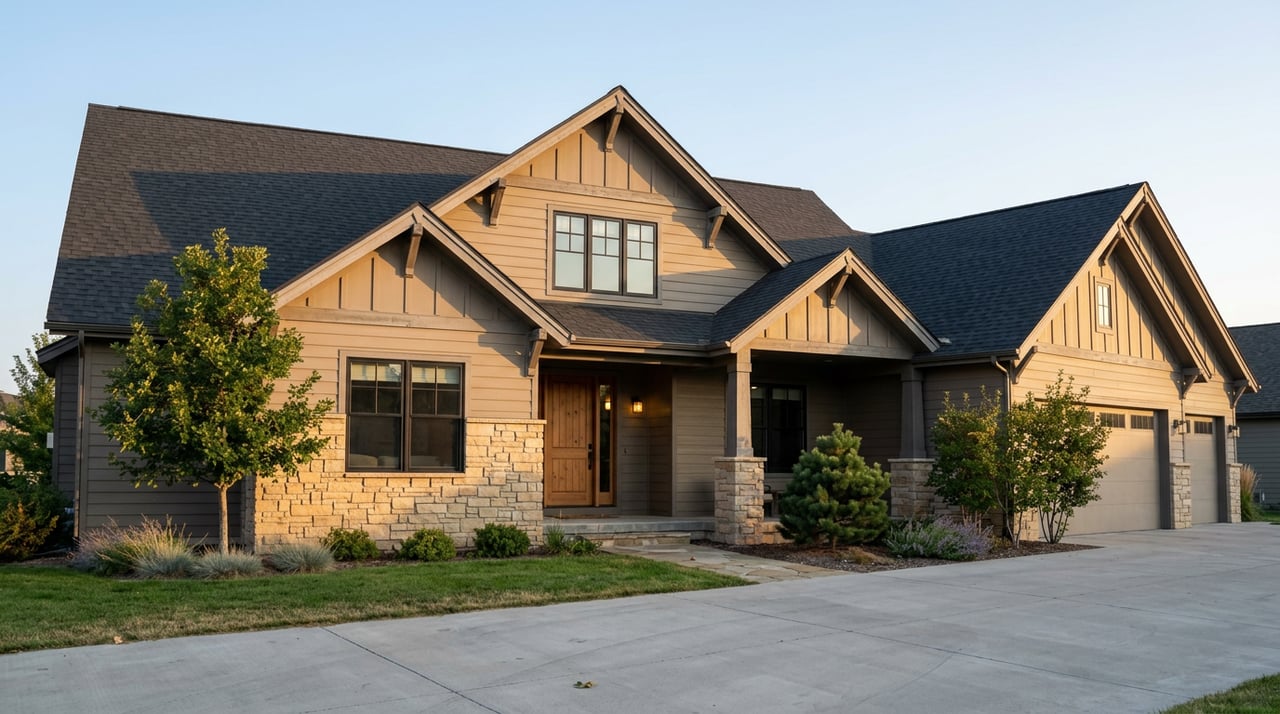
They are building a future where you never have to leave the town limits to work, shop, or play.
But for those watching the market in 2026, the "mature" label can be misleading.
The biggest hurdle to building an ADU has always been the cost of capital.
The "wait time" is exactly why you shouldn't navigate an assumption with a generalist agent.
Here is how we make it happen for our Douglas County community.
Whether you’re looking in Sterling Ranch or downtown Castle Rock, we’re here to lead the way.
The VA loan remains the most powerful mortgage product in existence.
Experience personalized service, financial expertise, and trusted guidance for your next move. Partner with Gibbs Group for a seamless buying or selling experience built on trust, expertise, and results.